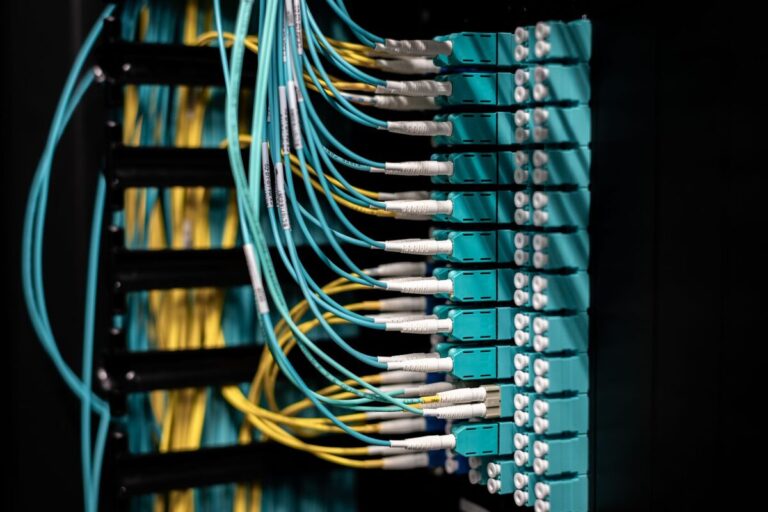
A clinic runs on a handful of systems that must simply work: the practice management software that holds the schedule and the charts, the imaging equipment attached to it, the phones, and the connection to whoever bills and whoever refers. When any of those stops, the waiting room fills and the day unravels. Medical clinic IT support is therefore a different discipline from ordinary office support: uptime is measured in patients seen, and every system holds information the practice is legally responsible for protecting.
What PHIPA asks of a clinic, in plain terms
Ontario’s Personal Health Information Protection Act, usually shortened to PHIPA, sets out how personal health information must be handled. In general terms it makes the practice, as a health information custodian, responsible for the personal health information it holds, and that responsibility does not transfer to a software vendor, a cloud provider or an IT company; those parties act on the custodian’s behalf and under its instructions. The custodian is expected to take reasonable steps to protect that information against theft, loss and unauthorized use, disclosure, copying or modification, and to keep it available and accurate.
The Act also carries a notification concept: if personal health information is stolen, lost, or used or disclosed without authority, the people affected must be told, and in certain circumstances the provincial privacy commissioner must be notified as well. What counts as reasonable safeguards is not spelled out as a technical checklist, which is precisely why the IT decisions below matter. They are how a clinic demonstrates that it took the duty seriously, and they are what a regulator or an insurer will ask about after an incident. This is a general description; the practice’s own privacy officer, professional college guidance and legal advice remain the authority for specifics.
Keeping the practice management system up
Whether the software runs on a server in the back office or is hosted by the vendor, the clinic depends on it every minute the doors are open. For an on-premises server that means proper hardware with redundant drives and power, monitoring that flags a failing disk before it fails, patching in a maintenance window that does not collide with clinic hours, and a tested plan for how the practice operates if the server is down for a morning. For a hosted system it means a resilient internet connection, ideally with a second line from a different carrier that fails over automatically, and clarity with the vendor about who supports what when something breaks. In both cases the imaging devices, label printers and payment terminals that hang off the system need to be part of the same plan, because a chart without images is half a chart.
Workstations, lock policies and who can see the screen
The workstation at the front desk faces the waiting room, and the one in the operatory is left unattended between patients. Automatic screen locking after a short idle period, privacy filters where screens face the public, and individual logins rather than a shared “reception” account are basic and effective. Endpoint detection and response on every machine, including the one that only drives the panoramic imaging unit, closes the gap that a single unmanaged device leaves. Staff should work as standard users, not administrators, and clinical devices that cannot be patched should sit on their own isolated network segment.
Backups the clinic can actually restore
Chart data, images and the practice management database are irreplaceable, and a ransomware event or a hardware failure without a working backup is a practice-threatening event as well as a notifiable one. Backups should run frequently enough that a restore loses at most a short part of a day, at least one copy should be off site and beyond the reach of anything on the clinic network, and restores should be tested on a schedule so the recovery time is known rather than hoped for. Retention has to respect record-keeping obligations, which for clinical records are long. Our managed backup service is built around those requirements.
Secure remote access and vendor access
Practitioners want to check the schedule from home, and the software vendor needs to get in to fix things. Both are legitimate; both need controls. Remote access should require multi-factor authentication, go through a managed gateway rather than an exposed remote desktop port, and be limited to the systems the person needs. Vendor access should be granted for a defined purpose and time, through a named account rather than a shared one, and logged, so the practice can say who was in the system and when. Old, always-on remote tools installed by a previous vendor are a common finding in clinic assessments and should be removed.
Common questions
Is the clinic responsible for data held by our software vendor?
In general terms, yes. Under PHIPA the practice remains the custodian of personal health information even when a vendor or cloud provider stores or processes it on the practice’s behalf. That makes the agreement with the vendor, the security of the connection to them, and the practice’s own backup and access controls part of the clinic’s obligations. Confirm specifics with your privacy officer or legal adviser.
What should happen if a clinic laptop is lost or stolen?
Tell the practice’s privacy officer immediately, remotely wipe the device through management tooling if it is enrolled, reset the credentials of anyone who used it, and assess what information it held. If the disk was encrypted and the device managed, the exposure may be limited; if not, the loss may need to be treated as a privacy breach with the notification that follows. Prevention is full-disk encryption and enrolment from day one.
How often should a clinic test its backups?
Individual restores should be tested frequently, and a full recovery of the practice management system should be performed periodically and after any significant change such as a software upgrade or server replacement. Each test should record how long recovery took, so the practice knows how many hours of appointments a real incident would cost and can decide whether that is acceptable.
Can practitioners access clinic systems from home safely?
Yes, with the right controls: multi-factor authentication on every remote login, a managed gateway or virtual desktop rather than a remote desktop port open to the internet, access limited to the systems the person needs, and managed devices at the other end where possible. Personal home computers with no security tooling are a weak point, which is why virtual desktops or clinic-issued laptops are usually preferred.
If you run a practice and would like your systems reviewed against these expectations, our managed IT services, managed backup and endpoint detection and response pages describe how we support clinics, and you can contact us to arrange a conversation that fits around clinic hours.